
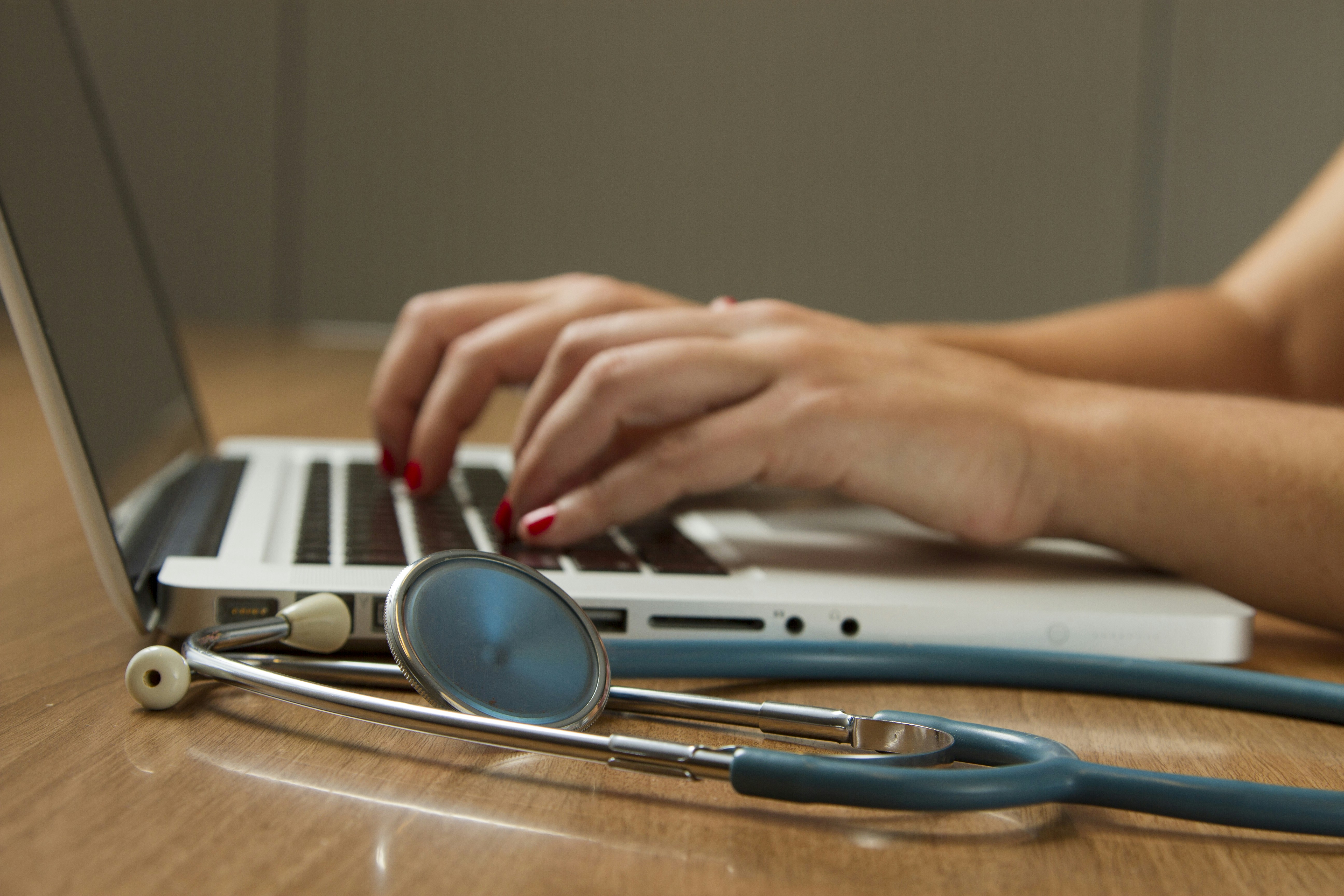
How Telemedicine is Transforming Chronic Care Management
Table of Contents
Introduction
Chronic conditions such as diabetes, heart disease, and chronic obstructive pulmonary disease (COPD) continue to challenge healthcare systems around the world. Traditional approaches often fall short, leading to unsatisfactory patient outcomes, higher healthcare expenses, and a reduced quality of life. Telemedicine offers an innovative alternative that transforms chronic care management by addressing these challenges head-on.
Telemedicine: A New Approach to Chronic Care
By harnessing the power of digital technology, telemedicine enables healthcare providers to connect with patients beyond the limits of in-person consultations. This modern approach helps to bridge the gap created by geographical distances and logistical hurdles, making it possible for patients to receive specialized care from the comfort of their homes. This innovation not only simplifies access to care but also holds the potential to dramatically improve chronic care outcomes.
Improved Access to Care
Telemedicine effectively removes geographical barriers that once limited access to specialist care. It offers patients, especially the elderly or those living in rural and underserved areas, the opportunity to consult with healthcare providers without the need for extensive travel. This shift means that patients save valuable time and money while gaining timely access to high-quality healthcare services that were previously difficult to reach.
Enhanced Patient Engagement
One of the key benefits of telemedicine is the ability to create a more focused environment for patient consultations. Without the distractions often encountered in a busy clinic, doctors and patients can concentrate solely on their interaction, ensuring that every consultation is as effective as possible. Moreover, telemedicine platforms serve as an excellent tool for educating patients about their conditions, medication management, and necessary lifestyle modifications. This educational component empowers patients to take an active role in managing their health, leading to better overall care.
Remote Monitoring and Early Intervention
Modern telemedicine platforms allow continuous monitoring of vital health parameters such as blood glucose levels and other critical indicators. With real-time data at their fingertips, healthcare providers can closely track a patient's progress and swiftly identify any early warning signs of deterioration. This capability for early intervention is instrumental in preventing complications and reducing the likelihood of emergency hospitalizations by addressing issues before they become severe.
Efficient Care Coordination
Telemedicine promotes seamless communication among healthcare professionals, enabling primary care physicians to consult with specialists promptly and efficiently. This interconnected approach supports a comprehensive evaluation of a patient's condition, leading to more accurate diagnoses and better-informed treatment plans. By streamlining communication and collaboration, telemedicine reduces the risks associated with misdiagnosis and incorrect medication prescriptions, thereby enhancing overall patient care.
Reduced Healthcare Costs
In addition to improving patient outcomes, telemedicine offers significant cost-saving benefits. Both patients and providers experience reduced expenses by minimizing the need for frequent in-person visits, which in turn lowers travel costs and administrative overheads. This efficiency not only makes healthcare more affordable but also contributes to a more streamlined and sustainable healthcare delivery system.
Integrating Telemedicine into Modern Clinics
For doctors and clinics looking to embrace telemedicine, success begins with selecting a platform that meets all essential care requirements. It is crucial to train healthcare professionals in the nuances of virtual consultations, remote monitoring, and data interpretation to ensure they are fully prepared for the transition. Equally important is educating patients about the advantages of telemedicine and guiding them on how to use the technology effectively. Establishing clear protocols for scheduling appointments, recording patient interactions, and sharing information helps maintain consistency and quality in care delivery. Security is another critical factor; the chosen platform must adhere to strict data protection standards, such as HIPAA requirements, to guarantee confidential communication. Finally, integrating telemedicine seamlessly into existing workflows and collaborating with other healthcare providers, including specialists and pharmacy support, ensures that the care process remains coordinated and comprehensive.
Conclusion
Telemedicine is not just a technological innovation—it is a transformative approach that enhances the quality of chronic care through improved outcomes, reduced costs, and increased patient satisfaction. As technological advances continue to shape the future of healthcare, telemedicine will undoubtedly play a central role in modernizing the management of chronic conditions and improving the lives of patients around the world.
Frequently Asked Questions
How does telemedicine improve access to care for chronic condition patients?
Telemedicine removes geographical barriers to specialist care, particularly benefiting elderly patients and those in rural or underserved areas. It eliminates the need for extensive travel, saving patients time and money while providing timely access to high-quality healthcare services.
What role does remote monitoring play in chronic care management?
Remote monitoring allows healthcare providers to continuously track vital health parameters like blood glucose levels. With real-time data access, they can closely monitor patient progress and quickly identify early warning signs of deterioration, enabling timely intervention before conditions become severe.
How does telemedicine enhance patient engagement in chronic care?
Telemedicine creates a focused environment for consultations without typical clinic distractions. It serves as an excellent tool for educating patients about their conditions, medication management, and lifestyle modifications, empowering them to take an active role in managing their health.
What cost benefits does telemedicine offer for chronic care management?
Telemedicine reduces healthcare costs by minimizing the need for frequent in-person visits, lowering travel expenses and administrative overhead. This efficiency makes healthcare more affordable for patients while contributing to a more streamlined and sustainable healthcare delivery system.
How can clinics successfully integrate telemedicine for chronic care?
Successful integration requires selecting a platform that meets all care requirements, training healthcare professionals in virtual consultations and data interpretation, educating patients on using the technology, establishing clear protocols for appointments and information sharing, ensuring HIPAA compliance, and coordinating with other healthcare providers.
Related Articles

Here are the 5 Most Important Features to Look For in a White Label Telemedicine Platform

What You Need to Know About Integrating EHR/EMR with Telemedicine Platforms

4 Trends and Innovations in Telemedicine That You Should Know About
Ready to enhance your telehealth services?
Discover how DocGenie Global can help you deliver superior virtual care experiences to your patients.