Table of Contents
Introduction
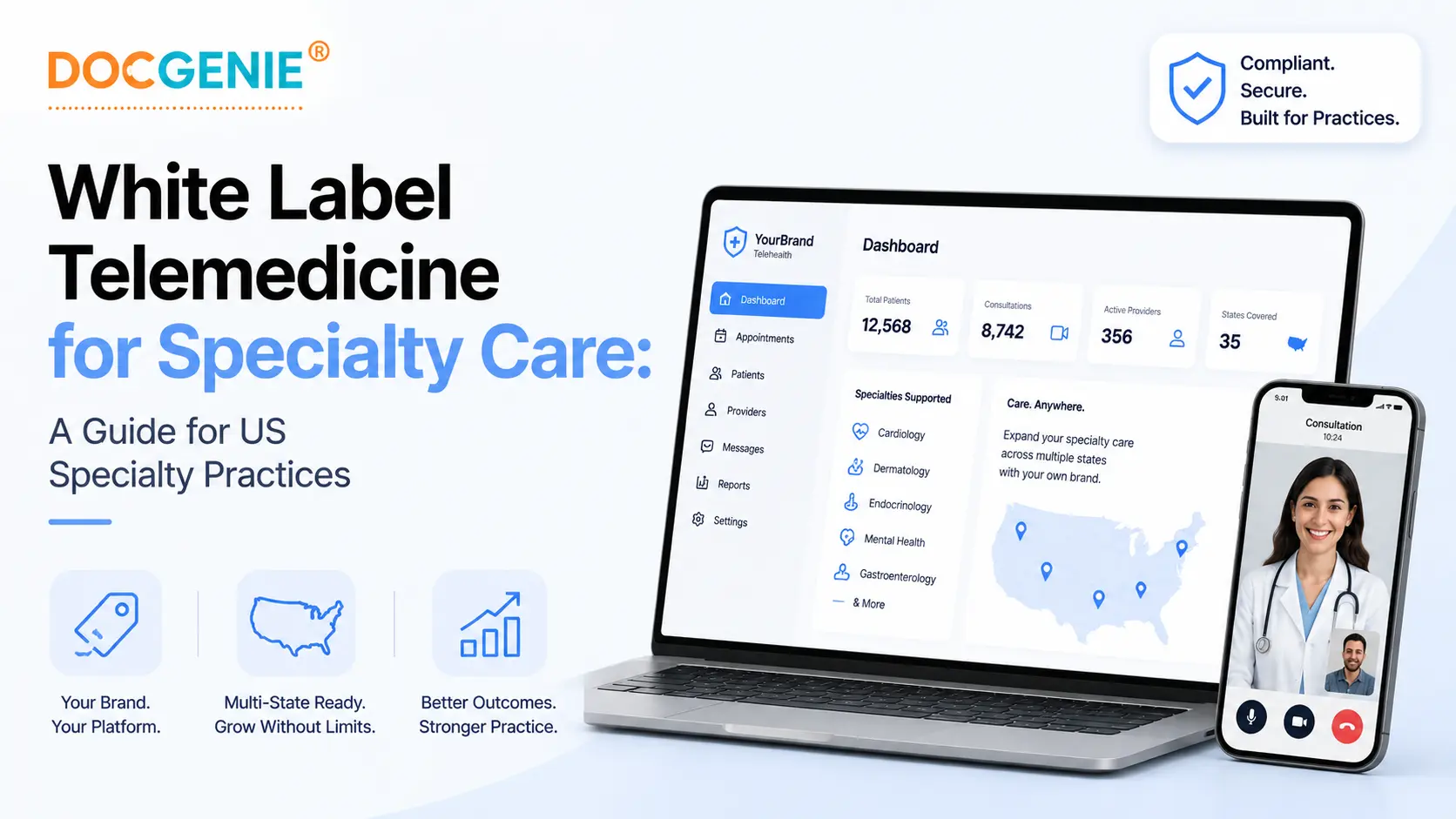
Specialty care telemedicine has different requirements from primary care. The consultation model, the patient journey, and the workflow integration needs vary significantly by specialty — and the platform powering that experience needs to flex accordingly. Here is how a white label telemedicine platform serves the most common US specialty use cases.
Dermatology
Dermatology is one of the highest-volume telemedicine specialties because many consultations are visual in nature — rash assessment, follow-up on a treatment response, chronic skin condition monitoring. A white label platform for dermatology needs:
Cardiology Follow-Up
Cardiology telemedicine is primarily follow-up focused — medication reviews, post-procedure monitoring, chronic condition management. Requirements include:
Mental Health and Behavioural Health
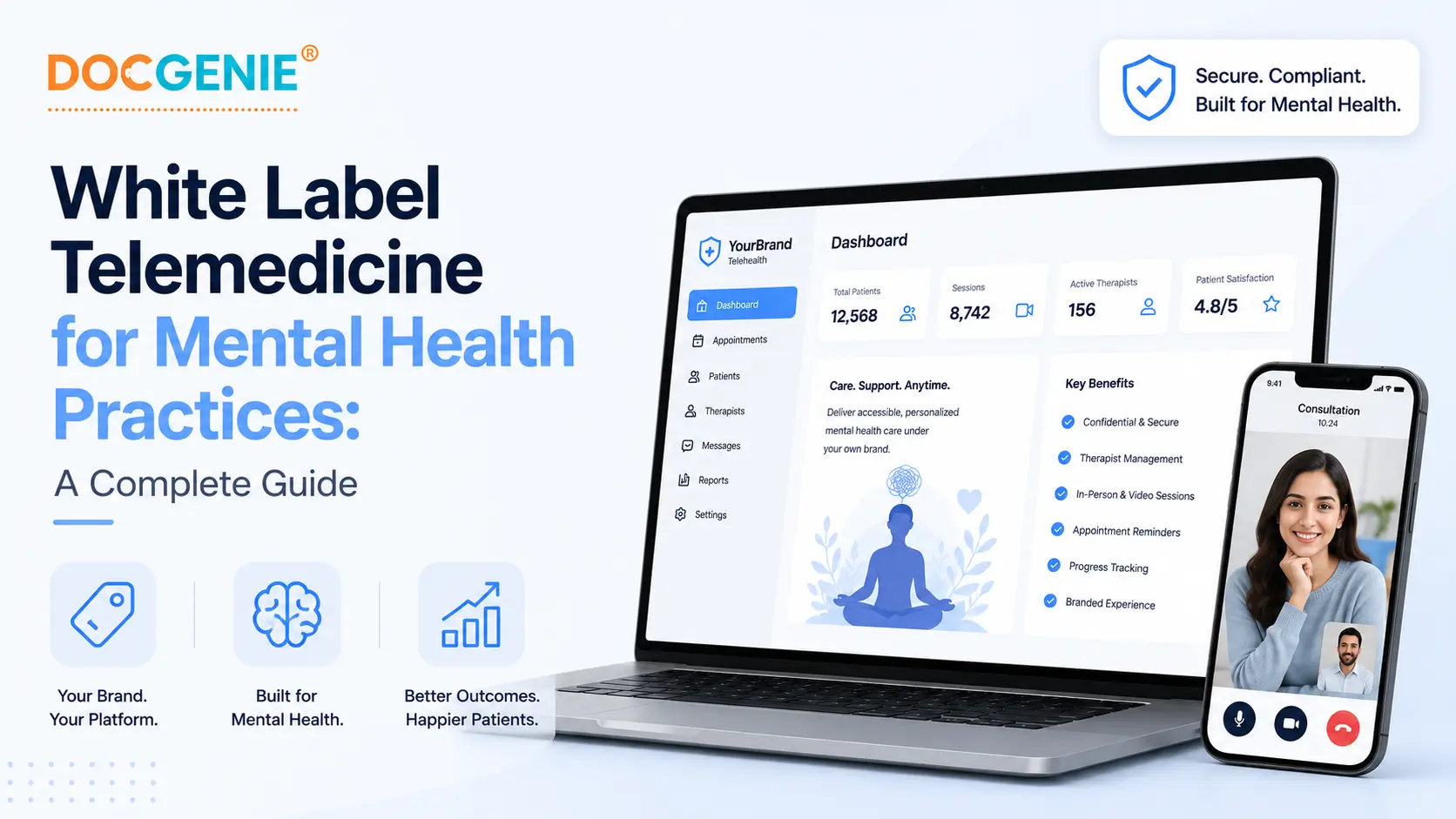
Mental health virtual care places particular emphasis on consultation privacy, continuity of the therapeutic relationship, and secure patient communication between sessions. A branded platform is especially important in this specialty — patients are more likely to engage consistently when their virtual sessions feel like a direct extension of their trusted provider's environment, rather than a generic third-party app.
Chronic Care Management
Chronic care management programmes under virtual care need recurring appointment structures, patient engagement between visits, and care coordination workflows. Key platform requirements:
Women's Health
Women's health telemedicine covers a broad range of consultation types, from routine follow-ups to specialist referrals. Branding matters especially in this specialty — patients are more likely to engage consistently with a platform that feels like an extension of their trusted women's health provider rather than a generic telehealth service.
Multi-Specialty Practices
For multi-specialty groups and hospital outpatient departments, the platform needs to support multiple specialties with distinct scheduling, workflow, and communication configurations — all under a single branded interface that the patient experiences as one coherent service. This is where white label scalability matters most: the ability to add specialties and providers without rebuilding the patient-facing experience from scratch.
Conclusion
The best white label telemedicine platform for specialty care is one that can be configured to fit your clinical model — not one that forces your clinical model to fit the platform. DocGenie Global's white label platform is designed to support a range of US specialty care workflows, from single-specialty practices to multi-specialty groups, with the branding, integration, and workflow flexibility that specialty virtual care requires.
Related Articles
White Label Telemedicine for Mental Health Practices: A Complete Guide