Table of Contents
Introduction
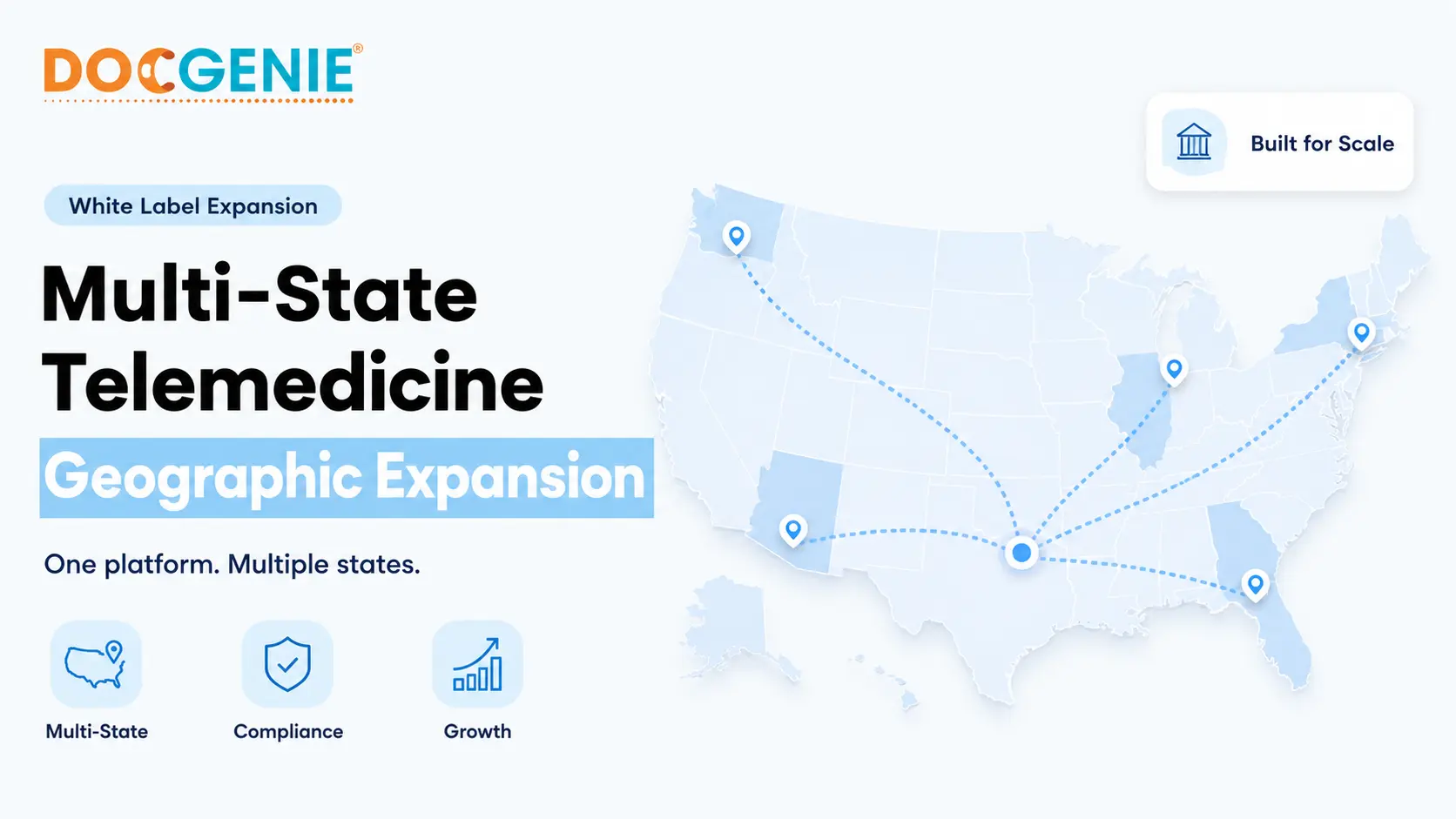
One of the most significant advantages of virtual care for US healthcare organisations is geographic reach. A telemedicine platform removes the physical constraint of your practice location — patients in other cities, regions, or states can access your providers without travelling. But geographic expansion through telemedicine introduces operational and platform requirements that differ from single-location virtual care.
What Multi-State Telemedicine Involves Operationally
Expanding virtual care across state lines in the US means navigating:
What Your Telemedicine Platform Needs to Support Geographic Expansion
From a platform perspective, multi-state virtual care requires:
Why Brand Consistency Matters More at Scale
When your virtual care service operates across multiple states, brand consistency becomes even more important. Patients in different geographies should not experience different-looking platforms or inconsistent communications depending on which state they are in or which provider they see. A white label telemedicine platform ensures that your brand standards — logo, colours, domain, communication templates — are applied consistently across every patient interaction, regardless of geography. This matters for patient trust at scale and for the professional credibility of your organisation as it grows.
Planning Your Licensure Strategy Before Expanding
Multi-state telemedicine is most effective when the licensure strategy is planned before the technology is deployed. Key considerations:
Answering these questions before selecting and configuring your telemedicine platform prevents costly rework after launch.
Scaling the Model: From One State to Many
The most effective approach to multi-state telemedicine expansion is to establish a strong foundation in your home state first — prove the operational model, refine the patient experience, and train staff on the virtual care workflow — before expanding to additional states. A white label platform built for scalability supports this approach by letting you add providers, locations, and appointment types without rebuilding the patient experience from scratch each time.
Conclusion
Multi-state telemedicine is one of the most powerful growth strategies available to US healthcare organisations — but it requires both an operational and a technology foundation that can support geographic complexity. A white label telemedicine platform that handles multi-provider management, branded consistency, and flexible configuration across locations gives expanding healthcare organisations the infrastructure they need to scale without losing the patient trust they have built.
Related Articles
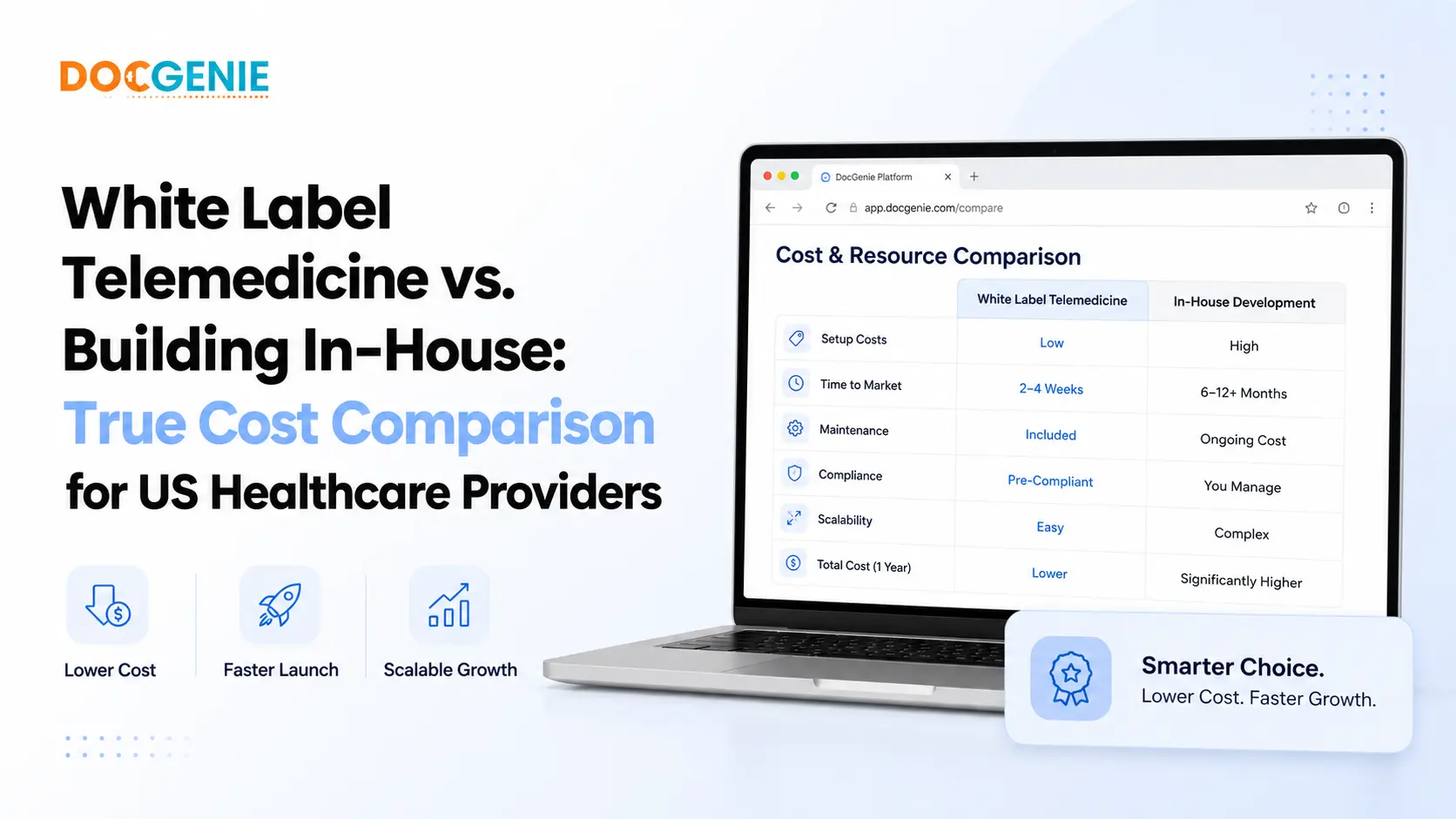
White Label Telemedicine vs. Building In-House: True Cost Comparison for US Healthcare Providers